
how to care for fresh cut flowers
After you receive your bouquet, you can help your fresh flowers last longer by following these simple cut flower care guidelines. Teleflora florists always use the freshest flowers available to fill your bouquet. Knowing how to make your flowers last longer will add to your enjoyment of them, and will help keep them vibrant and long lasting.
A floral life extender packet is typically included with your floral delivery, it is basically sugar that helps keep the bacteria count in the water low. An aspirin, (not ibuprofen), works just a well. Aspirin seems to lengthen the life of the flowers. Just be sure to snip a bit off the ends of the flowers each day.
Click any flower name for more specific care instructions:

check your flowers daily
Keep the vase, container or liner filled with fresh water. Even if the container has floral foam, you should keep the water level high to promote long lasting flowers. The container's water has a fresh flower food added to it. If you completely change the water, you should also thoroughly clean the container. Add fresh water mixed with a commercial fresh flower food. These flower foods may be supplied by the florist who delivered your order and they contain the correct ingredients to properly nourish the flowers, keep bacteria at bay (which can block the stems and prevent them from absorbing water), encourage buds to open, and lengthen the life of the bouquet. It's one of the best—and easiest—ways to extend the life of your flowers, but be sure to follow the directions on the package correctly. Improperly mixed flower food can actually do more harm than good.

re-cut their stems
Every few days, remove the flowers from the design and re-cut the stems. Remove 3/4" to one inch from the bottom of the stem and be sure to cut the stem at an angle to allow the flower the best chance to take up water. Use a sharp knife or sharp floral cutter or scissor. Avoid smashing or piercing the stems, as this can destroy the water vessels in the stem and prevent water absorption. Remove any spent or damaged blooms or foliage that falls below the waterline in the vase.
To avoid disturbing the stem placements in a vase arrangement, tie the stems with twine just above the vase's edge before taking them out of their vase. Hold the tied arrangement at the twine-bound point to re-cut the stems. Then place them back into the clean vase with the fresh water and a flower food.

change their water, and add additional fresh flower food
Be sure to clean the vase before refilling it with room-temperature water mixed with the proper amount of fresh flower food. Be sure no debris is floating in the water (such as leaves and stem parts) as this could promote the growth of bacteria which can shorten a flower's life.

display flowers in a cool spot
Most flowers prefer temperatures between 65 to 72 degrees Fahrenheit (18 to 22 degrees Celsius) and are best displayed away from direct sunlight, heating or cooling vents, directly under ceiling fans, or on top of televisions or radiators, which give off heat and can cause flowers to dehydrate. Avoid placing fresh flowers near ripening fruit, which releases tiny amounts of ethylene gas that can age them prematurely.

ALSTROEMERIA - thirsty flowers!
The buds of your Alstroemeria may appear, when new, to be very tight; with proper nutrition from flower food they should open to full bloom and maximum enjoyment. Alstroemeria are particularly thirsty flowers, so check the vase often to ensure it is full (or the foam material is saturated) and add floral food with each water change.


AMARYLLIS - need TLC!
Amaryllis may arrive with some of their blooms closed, but with proper care, they will open into large flowers. Their stems need to stay filled with water at all times, so when you refresh the water and re-cut the stems, turn them upside down and fill them with water, plugging the bottom of each stem with a cotton ball or your finger until it is back in the vase. Their stems can be brittle and may bend or break when you refresh them. Keeping them trimmed daily and even wrapping the stem ends in clear tape will help prevent this. As new blooms open, carefully pinch off older, wilting blooms.

ANEMONE - handle gently!
The same general care guidelines described above apply to anemone, but because their stems are very soft and easily damaged, handle them gently and support their stems when re-cutting. The delicate nature of the blossoms means you'll enjoy them for 3-5 days.

BELLS OF IRELAND - last 7-10 days
These tiny, fragrant, green bells are arranged in rings forming a vertical column. Each bell has a tiny white blossom in the center. Follow the care guidelines listed above, and your bells of Ireland should last 7-10 days.

BIRDS OF PARADISE - like to be kept warm
Each stem of a bird of paradise usually contains about 4 to 5 flowers (called inflorescence). Sometimes only one flower is visible, where others are hidden in another part of the flower. When one exposed flower withers it should be removed and another one can be pulled out of the flower's boat shaped bract. If a flower doesn't emerge, gently ease it out by hand. These exotic blooms are sensitive to temperatures below 50 degrees F, so display them in a warm spot.

CALLAS - bruise easily
The same general care guidelines apply to callas but because their spathe (the colored part of the flower) can bruise easily, it's important to be particularly gentle when handling them. Callas have thick fleshy stems that tend to curl at the bottom as they age. They should be recut every 2 days for maximum vase life. They tend to be thirsty flowers, so check the water level of your vase often.

CARNATIONS - keep away from fruits and veggies!
The same general care guidelines described above apply to carnations, including their sensitivity to ethylene, a harmless (note: it does not harm humans or animals), naturally produced gas, which can be released by fruits, vegetables, and decaying floral materials. Keep arranged carnations free of ethylene producing materials for best results. When you re-cut the stems, cut them just above one of the nodes that run up the flower's stalk. This will allow the stem to more easily draw the water it needs. When properly cared for carnations can last 7-14 days, depending on variety.

CHRYSANTHEMUMS - remove foliage if blooms begin to droop
Chrysanthemums come in a wide variety of colors, shapes and petal formations. Some even look like the most exotic blossoms you've ever seen – in unusual colors with single or multiple blossoms per stem. It's important to remove the foliage of chrysanthemums if it begins to droop or yellow. The foliage often deteriorates more quickly than the flowers themselves. Recutting the stems often will also increase the uptake of water and increase vase life. Most chrysanthemums will last 7 to 12 days on average.

DAFFODILS - be careful when cutting stems
Daffodils last longer in shallow water, so when you re-cut their stems and change their water (adding additional floral food) every two or three days, fill the vase only partway. You can leave the protective husks on or gently remove them. When daffodil stems are cut, they release sap that can shorten the life of other flowers. To prevent this, after cutting their stems, place them in a bucket of water for at least 12 hours on their own before mixing them with other flowers. Some modern designs use daffodils with the bulb and roots still intact on the stems. The soil is washed from the root system – and you can enjoy the full botany of the flower from roots to stem, leaves and blossoms.

DAISIES - are thirsty flowers!
The same general care guidelines described above apply to daisies, but keep in mind that these are particularly thirsty flowers, so check their water level often, and be sure that the vase is full and any foam materials are completely saturated.

DENDROBIUM ORCHIDS - keep away from fruits and veggies!
The same general care guidelines described above apply to dendrobium orchids, including their sensitivity to ethylene gas, which can be released by fruits, vegetables, and decaying floral materials.

FREESIA - pluck out matured blossoms
The same general care guidelines described above apply to freesia, but note that they prefer room-temperature water. Blossoms appear on a comb – in order from largest to smallest on the horizontal comb. As blossoms pass their prime, they should be plucked or removed from the stem to keep the flower looking attractive.

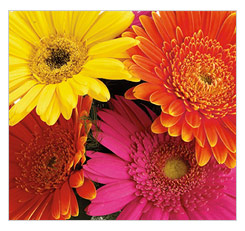
GERBERA - change water often
Gerbera stems are highly susceptible to bacteria blockage, causing their heads to droop over, so change their water often and replenish their supply of floral food every 1-2 days. Since they are particularly sensitive to ethylene gas and bacteria – keep the vase and surrounding areas clean and debris free.

HYACINTH - be careful when cutting stems
The same general care guidelines described above apply to hyacinths, but keep in mind that when their stems are cut, they release sap that can shorten the life of other flowers. To prevent this, after cutting their stems, place them in a bucket of water for at least 12 hours on their own before mixing them with other flowers. In modern designs, hyacinths are arranged with the bulbs and roots intact, as part of the composition. The soil is washed from the roots to prevent the water from becoming dirty.

HYDRANGEA - revive wilting blossoms with warm water
Hydrangeas have woody stems that need to draw water for maximum vase life. If a blossom wilts prematurely, remove it from the design, recut the stem at a sharp angle and place in warm water for at least one hour. The flower should be revived and ready to take its place in the design. For best results keep the water level in their vase full. Hydrangeas can also be dried, by hanging them upside down in a warm spot. Although the color will fade slightly – the dried flowers can last between 9 months to a year.

IRIS - keep water levels full
Iris may arrive in your vase arrangement as tight buds. But they will open quickly and mature to open form usually within one or two days. Their beautiful blue blossom look good with other spring flowers like tulips and lilies. Their vase life is wonderful, although short lived. Keep water levels in the vase full and bacteria free for best results. Expected vase life is 3-5 days.

LILY - remove anthers to avoid staining clothing
Lily pollen can stain clothing and furniture, so carefully remove the anthers (the orange pollen-coated tips at the end of the stamens) with tissues before displaying your bouquet. As flowers open as your design ages, you should continue to remove the anthers. Follow the same general care guidelines described above, but since lilies bruise easily, handle them with particular care. Their blooms open in succession, and you can snip off spent flowers close to the main stem.

LISIANTHUS - can last 7-10 days
Lisianthus have rose-like showy blossoms in grand colors, and with proper care they can last 7-10 days. Many of the unopened buds which show color may open fully. Smaller buds may not open but simply support the larger blossoms and accent the foliage.

PEONIES - fragile, handle with care!
Follow the general care guidelines described above, placing your peonies in a cool place out of direct sunlight. Peonies often arrive in bud stage and open fully while in the design. The open blossoms can be fragile and shatter if mishandled so give them space and move them only as necessary. With proper care they should last about 7 days.

ROSES - don't let leaves fall below waterline
Follow the general care guidelines described above for your roses, being sure to remove any discolored petals on the flower's outer edge (called guard petals) and foliage that fall below the waterline when refreshing your arrangement. Recutting the stems often will give your roses the longest vase life.
If your roses begin to wilt, you may be able to revive them. Trim off about an inch from the bottom of its stem and then submerge the entire rose under water in a sink or bathtub. Allow the stem to absorb water for about 20-60 minutes before returning them to their vase.
Roses last longer in a cool area, but if you want their blooms to open quickly, temporarily place them in a warmer spot (Note: not hotter than 80 degrees Fahrenheit).